Fitness Is Not Just About Building Muscles—It Is About Building a Healthier, Longer, and More Meaningful Life
My Personal Journey Through Fitness, Strength Training, Discipline, and the Science of Healthy Aging
By Dr. Vijay Kumar
Introduction: Investing in the Most Valuable Asset We Have
There are some photographs that capture much more than a moment. They remind us of our priorities, our commitments, and the lessons we have learned along the way.
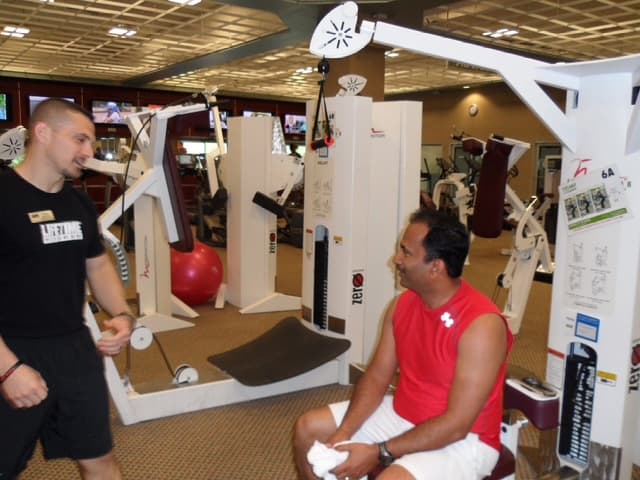
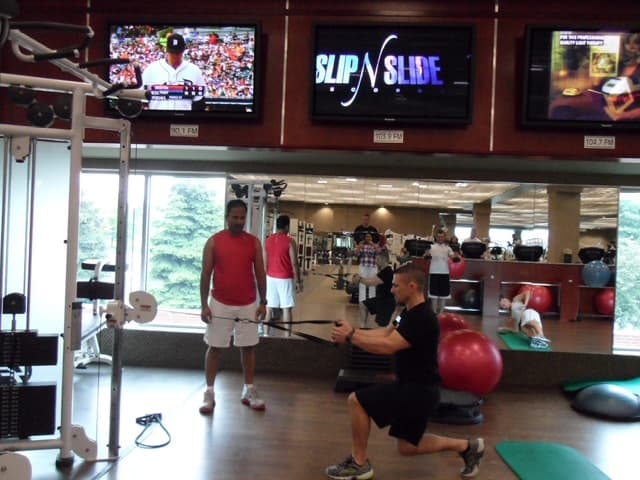
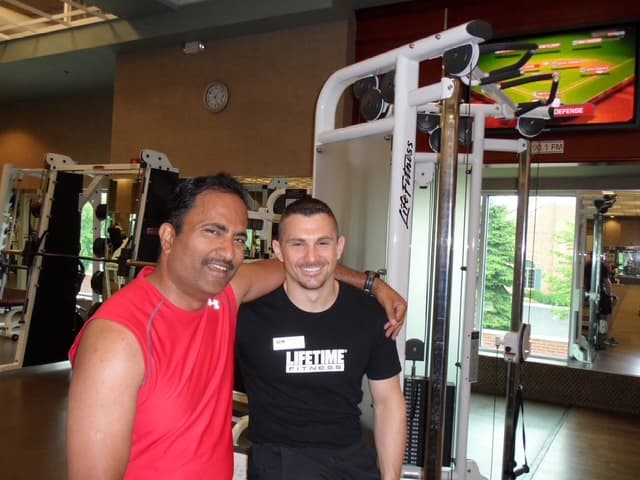
Looking at these photographs of myself at Life Time Fitness, working alongside a fitness trainer, I am reminded of something I have believed for many years: Good health is not something we can purchase when we need it. It is something we must invest in throughout our lives.
In one photograph, I am sitting on an exercise machine, listening to my trainer explain the next exercise. In another, we are smiling together after a training session. In the third, we are working through an exercise that requires strength, balance, and controlled movement.
These may appear to be ordinary gym photographs, but to me, they represent a much larger philosophy of life.
Fitness is not simply about lifting weights, building muscles, or looking good in photographs. It is about maintaining independence, supporting mental well-being, preserving mobility, and preparing our bodies for the challenges of aging.
With a background in medicine, public health, and physical therapy, I have spent years learning about the human body from scientific and practical perspectives. Yet some of the most valuable lessons about health have come through personal experiences with running, strength training, hiking, and maintaining an active lifestyle.
The human body is remarkable. It can adapt, strengthen, and improve when challenged appropriately. But it also requires attention, recovery, and consistent care.
For me, that is where the real journey of fitness begins.
1. The Gym Is More Than a Place to Exercise
When people think about a gym, they often imagine treadmills, dumbbells, exercise machines, and people working toward different physical goals.
Some want to lose weight. Others want to gain muscle, improve athletic performance, or recover their strength after an injury.
But a gym can serve a much broader purpose. It provides an environment where people can take responsibility for their health.
Modern lifestyles have made many everyday activities less physically demanding. We spend hours sitting at desks, driving vehicles, watching television, and using electronic devices.
Technology has improved convenience, but it has also reduced the amount of movement built into our daily routines.
Our lifestyles have changed dramatically, but our biological need for physical activity has not.
Our muscles, joints, bones, heart, lungs, and nervous system all benefit from regular movement. A gym provides one structured way to stay active, although meaningful exercise can also take place at home, outdoors, or in the community.
The location is not the most important factor.
Consistency is what makes the difference.
2. My Personal Philosophy: Fitness Is a Lifelong Commitment
Over the years, I have participated in running events, including 5K and 10K races, half marathons, and marathons. I have also enjoyed hiking, trekking, and exploring remarkable natural landscapes.
Whether trekking in the Himalayas or walking through my neighborhood in Michigan, I have always appreciated the connection between physical fitness and the freedom to experience life.
My approach has never been limited to a single activity. I believe in combining cardiovascular exercise, strength training, flexibility, balance, and mental relaxation.
Walking is an important part of my routine. I aim for approximately 10,000 steps daily, often completing them in one continuous session. I also make time for stretching, yoga, meditation, and resistance training.
Each activity serves a different purpose.
Walking and aerobic exercise support cardiovascular endurance.
Strength training helps preserve muscle mass and physical function.
Mobility exercises help maintain comfortable movement.
Balance training supports stability and may reduce fall risk.
Meditation can support relaxation and emotional well-being.
Together, these habits contribute to a more comprehensive approach to health.
However, fitness is not about perfection. There are busy days, professional responsibilities, travel schedules, and family commitments.
The goal is not to follow an impossible routine. It is to develop habits that remain sustainable over a lifetime.
3. Why Strength Training Becomes More Important as We Age
One of the most important lessons from exercise science is that muscle strength becomes increasingly valuable as we grow older.
As people age, they may gradually lose muscle mass, strength, and physical performance. This process can accelerate when physical activity is limited.
Age-related loss of skeletal muscle mass and function is associated with a condition called sarcopenia.
When muscle strength declines, everyday activities can become more difficult. Climbing stairs, carrying groceries, rising from a chair, lifting luggage, or walking on uneven ground may require greater effort.
But some of this decline can be addressed through appropriate exercise.
Resistance training can help improve muscle strength and physical function across a wide range of ages, including among older adults.
This is one of the strongest reasons I encourage people to consider strength training as a lifelong habit.
We should not wait until our muscles become weak before deciding to strengthen them.
We do not exercise only because we are young and strong. We exercise so that we can remain strong as we grow older.
4. The Science Behind Building Muscle
Muscles respond to physical demands. When we perform resistance exercises, such as lifting weights or using exercise machines, we create mechanical tension within our muscle fibers.
With appropriate training, nutrition, and recovery, the body adapts to these demands. Muscles can become stronger and, in many cases, larger. An increase in muscle size is commonly called muscular hypertrophy.
Strength improvements also involve the nervous system, which becomes more efficient at activating muscles and coordinating movement.
Effective strength training depends on several principles.
Progressive overload: Gradually increasing the challenge as the body adapts.
Proper technique: Performing exercises with controlled movement and appropriate alignment.
Recovery: Allowing sufficient time between demanding sessions for the body to adapt.
Nutrition: Consuming enough energy and nutrients to support muscle maintenance and repair.
Consistency: Repeating appropriate training over weeks, months, and years.
One common mistake is assuming that lifting heavier weights automatically produces better results.
In reality, exercise quality matters enormously. A controlled movement performed with appropriate resistance can be more beneficial than lifting excessive weight with poor technique.
The objective should be functional improvement, not simply moving the largest possible load.
5. The Importance of a Qualified Fitness Trainer
My photographs at Life Time Fitness remind me of the value of professional guidance.
Even individuals with extensive knowledge of medicine or rehabilitation can benefit from working with an experienced fitness professional.
A good trainer does more than count repetitions. They explain exercise techniques, observe movement patterns, help establish realistic goals, and suggest appropriate modifications.
For beginners, this guidance can be particularly valuable. Many people enter a gym feeling intimidated by unfamiliar equipment. They may not know how to adjust a machine, select appropriate resistance, or organize a balanced workout.
A qualified trainer can help make the experience more comfortable and productive.
Personal training is not essential for everyone. Many people exercise successfully through walking, home-based resistance training, community programs, or independent routines.
However, professional guidance can be especially helpful for people who are new to exercise, returning after an injury, or managing particular physical limitations.
From my perspective as a physical therapist, exercise should challenge the body without requiring us to ignore warning signs.
Persistent pain, chest discomfort, dizziness, or unusual breathlessness should never be dismissed as simply part of a workout.
6. Cardiovascular Exercise: Training the Heart for Life
Strength training is only one part of a complete fitness program. Our cardiovascular system also benefits from regular conditioning.
Aerobic activities include brisk walking, running, cycling, swimming, dancing, and many recreational sports.
The World Health Organization recommends that adults generally aim for 150–300 minutes of moderate-intensity aerobic activity each week, or 75–150 minutes of vigorous-intensity activity, along with muscle-strengthening activities on at least two days per week.
These recommendations provide a useful starting point, although exercise plans should reflect individual health, age, and physical capacity.
Regular cardiovascular activity supports endurance and is associated with a lower risk of several chronic conditions, including cardiovascular disease and type 2 diabetes.
My personal preference has always included walking and running.
Running events have taught me patience, perseverance, and the importance of pacing. A marathon cannot be completed successfully through enthusiasm alone. It requires preparation, endurance, recovery, and discipline.
Interestingly, those same principles apply to life.
We rarely achieve meaningful long-term goals in a single burst of effort. We make progress through preparation, persistence, and steady work.
7. Exercise and the Prevention of Chronic Disease
As someone with a background in public health, I view physical activity not only as an individual lifestyle choice but also as an important part of disease prevention.
Conditions such as cardiovascular disease, type 2 diabetes, hypertension, and obesity create significant challenges for individuals and healthcare systems worldwide.
Physical inactivity is one of several modifiable risk factors associated with these conditions.
Regular exercise can support blood pressure management, improve insulin sensitivity, contribute to healthier body composition, and enhance cardiovascular fitness.
Muscles also play an important role in glucose regulation. During physical activity, skeletal muscles use glucose for energy. Over time, regular exercise can improve the body's ability to regulate blood sugar.
However, exercise is not a guarantee against disease, nor is it a replacement for appropriate medical care.
Genetics, nutrition, environmental factors, socioeconomic circumstances, and access to healthcare all influence health outcomes.
Physical activity is powerful, but it is one part of a broader preventive healthcare strategy.
8. The Connection Between Fitness and Mental Well-Being
One of the most valuable benefits of regular physical activity is its contribution to mental well-being.
Modern life can be demanding. Professional responsibilities, family obligations, financial pressures, and constant digital communication can leave people feeling mentally exhausted.
Exercise provides an opportunity to step away from some of these demands.
During physical activity, our attention often shifts toward breathing, movement, coordination, and physical effort. Research indicates that regular exercise can help reduce symptoms of anxiety and depression and support overall psychological well-being.
Physical activity may also contribute to better sleep and cognitive health.
For me, walking, running, and gym workouts offer time for reflection. Some of my clearest thoughts come during physical activity.
Problems that once seemed complicated can sometimes become easier to approach after taking a break, moving my body, and returning with a fresh perspective.
There is also something rewarding about completing a challenging training session. It reinforces a sense of accomplishment that can carry over into other areas of life.
Physical fitness and mental resilience are not the same thing, but they can support one another.
9. Functional Fitness: Preparing for Real Life
Modern fitness culture often places considerable emphasis on appearance. Visible muscles, body weight, and waist measurements may matter to some individuals, but they do not tell the whole story of physical health.
Functional fitness focuses on our ability to perform everyday activities safely and efficiently.
Can you climb stairs without excessive fatigue?
Can you rise from a chair independently?
Can you carry groceries, bend comfortably, or maintain balance while walking on uneven ground?
These abilities become increasingly important as we age.
Functional training includes movements that resemble everyday activities. Squats can help develop the strength needed to rise from a chair. Pulling exercises strengthen muscles involved in upper-body function. Core exercises support trunk stability and controlled movement.
The purpose is not simply to train individual muscles in isolation.
It is to prepare the body to function effectively in daily life.
For me, this is one of the most meaningful measures of fitness: how well our bodies allow us to participate in the activities that matter to us.
10. Balance, Mobility, and Healthy Aging
Balance and mobility deserve particular attention as we grow older.
Falls can lead to injuries, loss of confidence, reduced independence, and hospitalization. Changes in muscle strength, vision, sensation, coordination, and reaction time can contribute to fall risk.
Appropriately designed exercise programs that include balance and functional training can help reduce falls among older adults.
Depending on individual ability, exercises may include controlled stepping, supported single-leg standing, heel-to-toe walking, and lower-body strengthening.
People who already have balance difficulties should choose exercises appropriate to their abilities and seek professional guidance when needed.
Mobility is equally important. It helps us move our joints through the ranges of motion required for everyday activities.
Adequate shoulder mobility helps with reaching overhead. Hip mobility contributes to walking and squatting. Ankle mobility influences gait and balance.
My own routine includes stretching and yoga because I value comfortable movement alongside strength and endurance.
The goal is not extreme flexibility. It is maintaining the mobility needed to live an active life.
11. Nutrition and Recovery: The Other Half of Fitness
Exercise alone is not enough. Nutrition and recovery are essential parts of a sustainable fitness routine.
Protein supports muscle maintenance and repair. Carbohydrates provide an important source of energy, particularly during prolonged or vigorous activity. Dietary fats support essential physiological functions, while vitamins, minerals, fiber, and adequate hydration contribute to overall health.
As someone who follows a vegetarian diet, I pay attention to obtaining protein from a variety of foods. Lentils, beans, chickpeas, soy products, dairy products where appropriate, nuts, and seeds can all contribute to protein intake.
Individual nutritional needs vary according to age, body weight, activity level, training goals, and health conditions.
Recovery deserves equal attention.
Sleep, adequate nutrition, hydration, and sufficient rest between demanding workouts allow the body to adapt to training. Without proper recovery, excessive exercise can contribute to fatigue, declining performance, and increased injury risk.
More exercise is not always better. The goal is to challenge the body without repeatedly exceeding its capacity to recover.
12. The Problem With Quick-Fix Fitness Culture
We live in a world that promises rapid results. Advertisements promote dramatic body transformations, extreme workout programs, and supplements claiming extraordinary benefits.
Social media can also create unrealistic expectations about how quickly people should lose weight or build muscle.
But human physiology does not respond to marketing slogans.
Meaningful improvements in physical fitness generally require time. Sustainable habits are more valuable than extreme programs that last only a few weeks.
I believe fitness should be measured by progress, not comparison.
A beginner who walks for 15 minutes may be making an achievement just as meaningful as an experienced runner completing a marathon. Their starting points are different, and their goals may be different, but both are moving forward.
We should encourage people to improve relative to their own abilities rather than constantly comparing themselves with others.
13. Fitness Is an Investment in Independence
One of my strongest motivations for remaining physically active is the desire to preserve independence.
Being able to travel, walk comfortably, carry luggage, explore unfamiliar cities, and participate in family activities provides a sense of freedom.
I have been fortunate to experience trekking, international travel, running events, and outdoor adventures. These activities require different combinations of endurance, strength, balance, and determination.
When I think about the future, I do not simply ask how long I might live. I ask what kind of life I want to live during those years.
Will I be able to explore new places? Will I have the strength to participate in activities I enjoy? Will I remain capable of performing everyday tasks independently?
No exercise program can guarantee these outcomes, but maintaining physical fitness can improve the likelihood of preserving functional ability as we age.
This is why I consider exercise an investment rather than an obligation.
We spend years working to build careers, businesses, financial security, and comfortable lives. These are important accomplishments, but we should also invest in the physical and mental capacity needed to enjoy them.
14. Making Fitness Accessible to Everyone
Not everyone can afford a gym membership or personal trainer. Some people live in communities without convenient fitness facilities. Others face demanding work schedules, disabilities, transportation limitations, or financial constraints.
Fitness should not be presented as something available only to people with resources.
Walking is an accessible form of physical activity for many people. Public parks, sidewalks, community centers, and safe recreational spaces can encourage regular movement.
Home-based exercises using body weight, resistance bands, or simple equipment can also be effective. People with limited mobility may benefit from seated exercises or individually adapted activities.
The most important principle is that exercise should be appropriate for the individual.
Someone recovering from surgery may have different needs from a healthy young adult. An older person with balance difficulties may require supervised training. A person with certain medical conditions may need medical advice before beginning vigorous exercise.
There is no single program that fits everyone, but many people can benefit from some form of appropriately selected physical activity.
15. The Lessons Fitness Has Taught Me Beyond the Gym
Over the years, physical activity has taught me lessons that extend far beyond muscles and cardiovascular endurance.
It has taught me discipline. When motivation is low, habits help us continue.
It has taught me patience. Progress rarely happens overnight.
It has taught me humility. There is always something new to learn, regardless of our experience or education.
It has taught me resilience. Difficult workouts remind us that challenges can often be approached one step at a time.
And it has taught me gratitude. The ability to move freely is something many of us take for granted until illness, injury, or disability limits that freedom.
Every opportunity to walk, exercise, travel, or enjoy the outdoors is worth appreciating.
Fitness is not a competition against others. It is a lifelong relationship with our own bodies.
My Message to Anyone Waiting to Begin
If you have been thinking about improving your fitness but have not yet started, my message is simple.
You do not need to become a marathon runner. You do not need expensive equipment or heavy weights. And you certainly do not need to compare yourself with people in fitness advertisements.
Begin where you are.
If walking for ten minutes is manageable, start there. If you can safely perform basic strengthening exercises, begin with those. If balance is a concern, seek appropriate guidance.
Set realistic goals, celebrate gradual progress, and remember that missing one workout does not erase the benefits of previous efforts.
If you have a medical condition that affects your ability to exercise, consult an appropriate healthcare professional about a suitable plan.
The most important step is not achieving perfection. It is beginning with an approach you can sustain.
Conclusion: The Greatest Wealth Is the Ability to Live Well
When I look back at these photographs from Life Time Fitness, I see much more than exercise equipment, a trainer, and a workout session.
I see a reminder of the choices we make every day.
Every walk, every training session, every balanced meal, and every decision to prioritize physical activity can contribute to our future well-being.
Money may purchase a comfortable home, a beautiful automobile, or an expensive vacation. But it cannot guarantee the strength to climb a mountain, the endurance to explore a city on foot, or the independence to perform everyday activities without assistance.
Those abilities deserve our attention long before they begin to decline.
For me, fitness has never been only about developing muscles. It is about preserving freedom, maintaining dignity, supporting healthy aging, and enjoying life with energy, confidence, and purpose.
Health is not simply the absence of disease. It is the ability to live, move, participate, explore, and enjoy life to the fullest extent possible.
The photographs may grow older, but the philosophy behind them remains timeless.
Keep moving. Keep learning. Keep challenging yourself. And never underestimate the value of investing in your own health.
Because the ultimate goal of fitness is not merely to add years to life, but to add life to those years.
Disclaimer: This article is intended for general health education and does not replace individualized medical advice.